San Bernardino County, CA
Home of Patterson Trans Inc.
Proudly Based in Fontana, California
Citrus groves turned steel town turned Speedway city — Fontana has reinvented itself for over a century without losing its hometown heart. It’s where Patterson Trans Inc. has called home since day one.
(909) 367-2848
Mon–Fri 8am–5pm
Patterson Trans Inc. is proud to call Fontana, California home. Our yard sits right on Slover Avenue, and every load of refrigerated freight, full truckload (FTL), less-than-truckload (LTL), and cross-docking service we run starts right here — not a satellite branch, our actual headquarters. Family-owned for over 25 years, with 60 years of combined team experience, we know Fontana’s docks, warehouses, and rail-adjacent freight corridors better than anyone.
Why Fontana Is Built for Cold Chain Freight
Fontana’s location at the base of the San Gabriel Mountains, right along the 10 and 15 freeway corridors, has made it one of the Inland Empire’s busiest logistics hubs — the same rail lines that once hauled Kaiser Steel now carry the region’s produce, pharmaceuticals, and packaged food. Local food distributors, cold-storage warehouses, and manufacturers depend on freight that shows up exactly on schedule, every time.
Because we’re based here, our dispatch team knows Fontana’s dock schedules and traffic patterns firsthand — no guesswork, no third-party carrier relaying information secondhand. Every trailer in our fleet is inspected on a strict preventive schedule and monitored in transit, and our drivers are trained specifically for cold chain handling.
Family-owned for over 25 years, Patterson Trans Inc. is headquartered right here in Fontana, offering full truckload, less-than-truckload, and cross-docking service with a dispatch team that knows this city because we live and work in it.
A Hometown Story
From Citrus Colony to Steel City
 Founder portrait
Fontana was founded in 1913 by Azariel Blanchard Miller, who platted the land as an agricultural colony — citrus groves, vineyards and chicken ranches strung along what’s now Foothill Boulevard, the original Route 66. It stayed a quiet farm town until 1942, when Henry J. Kaiser built a wartime steel mill here, and Fontana became a working-class boomtown overnight. Kaiser’s mill even birthed the prepaid health plan that grew into Kaiser Permanente.
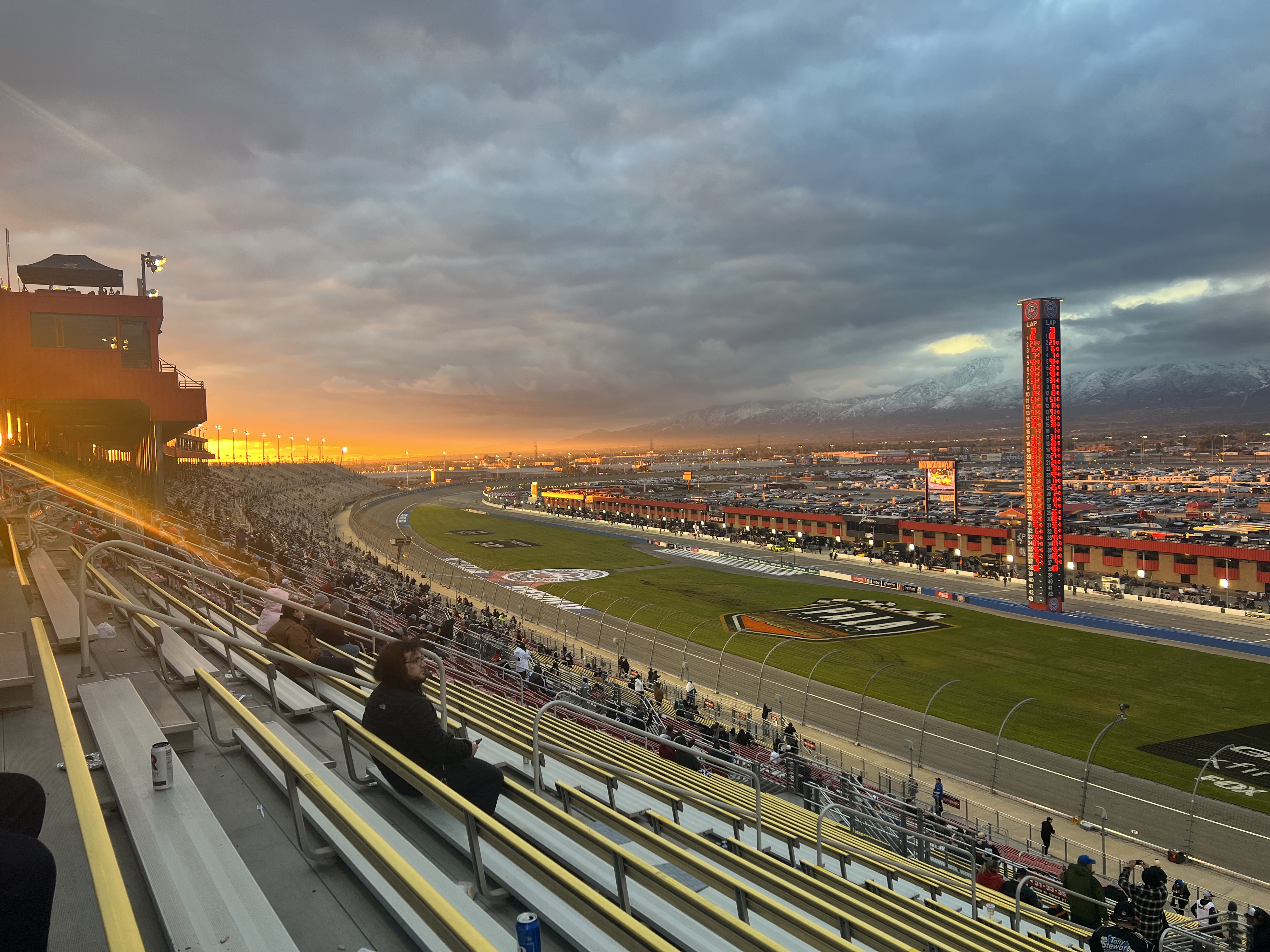
The city incorporated in 1952 and kept its steel-and-grit character through the Kaiser mill’s 1984 closure — then reinvented itself again, turning the old mill site into the Auto Club Speedway and a new identity as one of the West’s motorsports capitals.
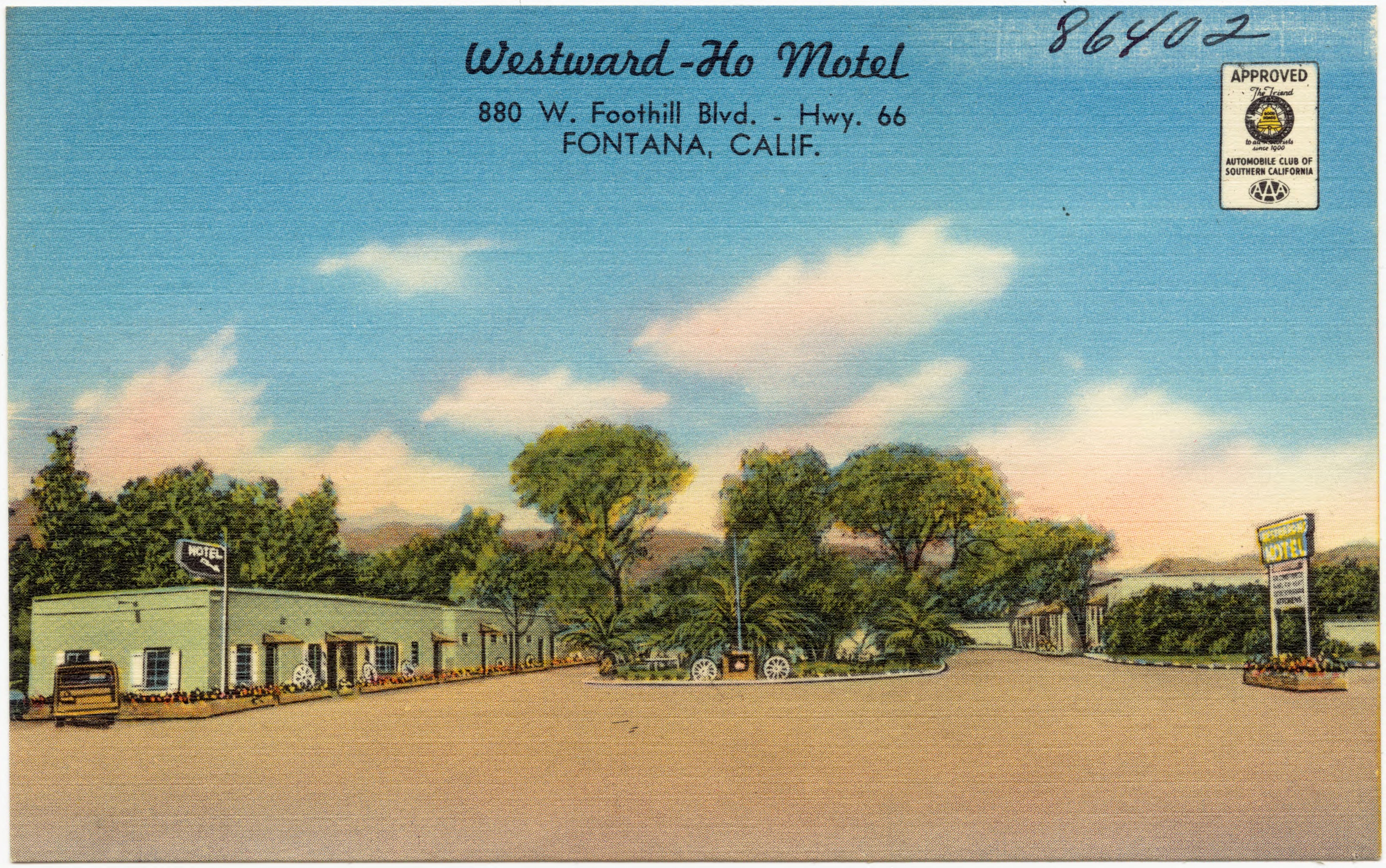
Today Fontana is one of the fastest-growing cities in the Inland Empire, with a population that has more than tripled since 1990 and a community that still traces its roots to the citrus pickers, steelworkers and racing fans who built it. Foothill Boulevard is now a state-registered Historic Route 66 corridor, and the city leans into that identity every spring with cruise nights and classic car shows that fill the same stretch of road Kaiser’s steelworkers once drove home on.
The rail lines that once hauled Kaiser’s steel now carry the region’s booming logistics industry, and Fontana’s population has grown to become one of the largest in the Inland Empire — yet City Hall still marks the town’s founding every year, and Foothill Boulevard’s old motor courts and diners are protected as local landmarks rather than paved over. It’s a city that wears all three of its identities — colony, mill town, Speedway city — at once.
Drive Foothill Boulevard today and you can still read all three eras in the storefronts: citrus-packing brick facades, mid-century motor courts from the Route 66 heyday, and newer warehouses serving the logistics boom. Longtime residents say that layered history is exactly what makes Fontana feel like a real hometown rather than just another Inland Empire suburb.
Culture & Character
What Fontana is known for
Photo: Route 66 / Foothill Blvd

Photo: Kaiser Steel mill
Photo: Auto Club Speedway
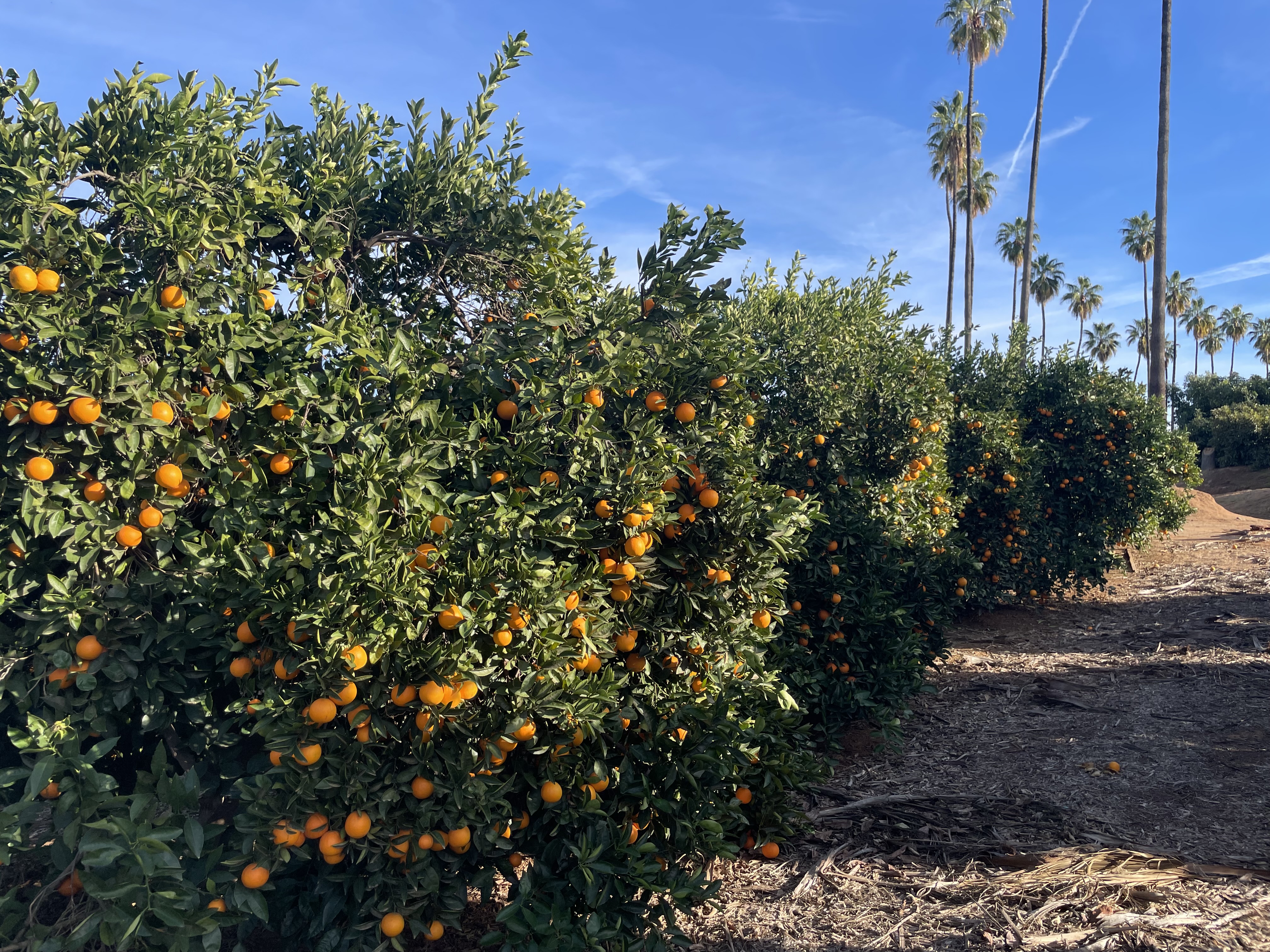
Photo: Citrus groves
Fontana’s character was forged twice — first by the citrus and vineyard colonists who platted its streets in 1913, then by the wartime steelworkers who arrived by the thousands when Kaiser Steel opened in 1942. That double heritage still shows: century-old packing-house architecture sits blocks from Craftsman-style steelworker cottages, and family names from both eras still fill the phone book.
The Auto Club Speedway cemented Fontana’s modern reputation as a motorsports town — NASCAR, IndyCar and drag racing crowds have poured into the city every spring for more than two decades, and the track’s 2-mile oval sits on the exact ground where Kaiser’s blast furnaces once stood. Locals will tell you that’s the most Fontana thing about Fontana: nothing here gets torn down so much as reinvented.
Worth the Trip
Signature landmarks & local favorites
- Auto Club Speedway — the 2-mile superspeedway built on the old Kaiser Steel mill site
- Historic Route 66 / Foothill Blvd — the Mother Road’s original alignment through the Inland Empire
- Fontana Days Parade — the city’s decades-old community celebration, still held every spring
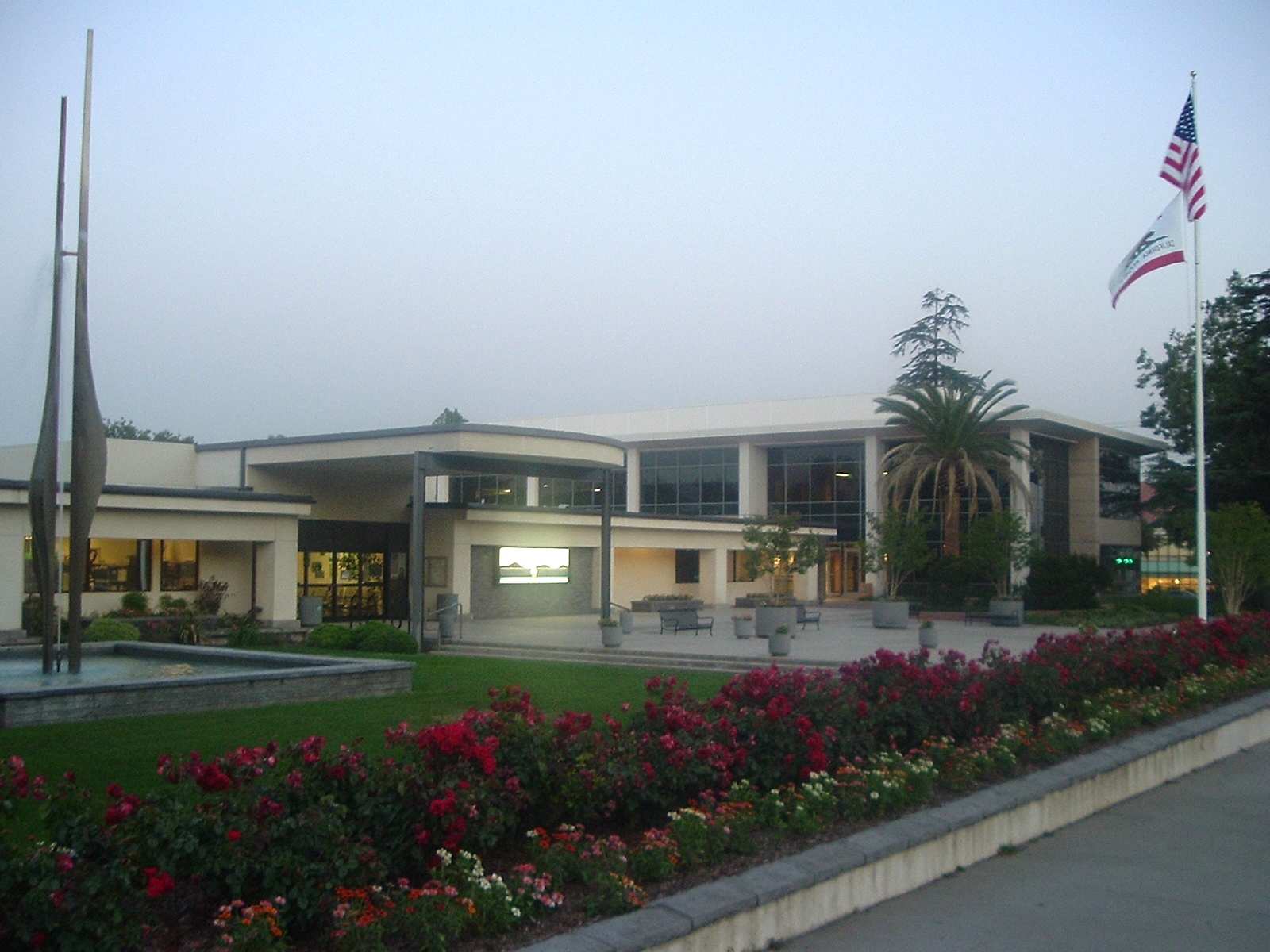
- Lewis Library & Technology Center — San Bernardino County’s largest public library
- Kaiser Steel Museum artifacts — preserved mill history on display at nearby Rancho Cucamonga’s Kaiser Steel Museum
Coverage
Neighborhoods & areas we serve near Fontana
Fontana stretches from the base of the San Gabriel Mountains south toward the 10 Freeway, and its character changes block by block — hillside newer-build communities in the north, the original steel-town grid downtown, and master-planned neighborhoods to the south and east. Wherever you are in the city limits, our team is close by.
Southridge Village
Sierra Lakes
Citrus Heights
Downtown Fontana
Live Oak
Live Oak Canyon
Common Questions
Fontana, CA — frequently asked
What is Fontana, California known for?+
Fontana is best known for the Auto Club Speedway, built on the site of the old Kaiser Steel mill, which once held the world’s fastest closed-circuit lap average at over 240 mph. Locals are just as proud of the city’s stretch of historic Route 66 along Foothill Boulevard and the working-class steel-town identity that shaped Fontana through the mid-20th century, before it reinvented itself as one of the West’s motorsports hubs.
How old is the city of Fontana?+
Fontana was founded in 1913 by Azariel Blanchard Miller as an agricultural colony of citrus groves, vineyards and chicken ranches. It grew into a wartime steel town after Henry J. Kaiser opened his mill in 1942, and the city officially incorporated on June 25, 1952 — making Fontana well over a century old, with a history that spans farming, heavy industry, and now motorsports.
Do you serve neighborhoods throughout Fontana?+
Yes — we cover Fontana from end to end, including North Fontana, Sierra Lakes, Citrus Heights, Live Oak, Downtown Fontana and Southridge Village. If you’re anywhere within city limits or the surrounding service area, our team can typically reach you the same week.
What is the best time of year to visit Fontana?+
Spring is Fontana’s signature season — NASCAR and IndyCar weekends bring crowds to the Auto Club Speedway, and the Fontana Days Parade fills Foothill Boulevard with the same community spirit that’s marked the city since the 1950s. Fall offers milder temperatures for exploring the Route 66 corridor without the summer heat of the Inland Empire.
How far is Fontana from Los Angeles?+
Fontana sits about 50 miles east of downtown Los Angeles in San Bernardino County, roughly an hour’s drive via the 10 Freeway depending on traffic. It’s part of the Inland Empire region, neighboring Rialto, Rancho Cucamonga and San Bernardino.
Is Fontana part of the original Route 66?+
Yes. Foothill Boulevard through Fontana carries the original 1926 alignment of U.S. Route 66, and the corridor is recognized as part of California’s Historic Route 66. Several mid-century motels and diner buildings from the highway’s heyday still stand along the route.
Nearby
Also serving cities near Fontana
Photo credits: Auto Club Speedway and Fontana City Hall images via Wikimedia Commons (CC BY-SA, CC BY). Citrus grove and Route 66 motel images are public domain via Wikimedia Commons.
Need Refrigerated Freight Moved Nearby?
Fast scheduling, honest pricing, and 25+ years of cold chain experience.
Call (909) 367-2848 Get A Free Quote